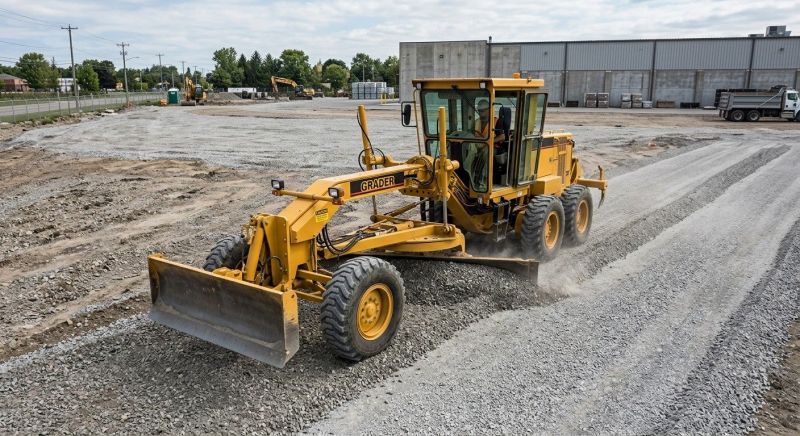
Gravel Parking Lot Grading in Houston, TX
Gravel parking lot grading services involve shaping and leveling the surface to ensure proper drainage and stability. This process typically includes removing uneven spots, filling in low areas, and creating a smooth, consistent slope that directs water away from the parking area. Homeowners often request this service when establishing a new gravel lot or improving an existing one to prevent pooling, erosion, and uneven wear that can damage vehicles or create safety hazards.
Before requesting gravel parking lot grading, property owners should consider the size and current condition of the lot, as well as any drainage issues or nearby structures that could influence grading plans. Understanding the desired outcome-such as specific slope requirements or drainage directions-helps ensure the project meets expectations. Proper grading can extend the lifespan of a gravel lot and improve its usability, making it a valuable step in maintaining a safe and functional parking area.
Many property owners in Houston, TX look into Gravel Parking Lot Grading for repairs, replacements, upgrades, and appearance-related improvements.
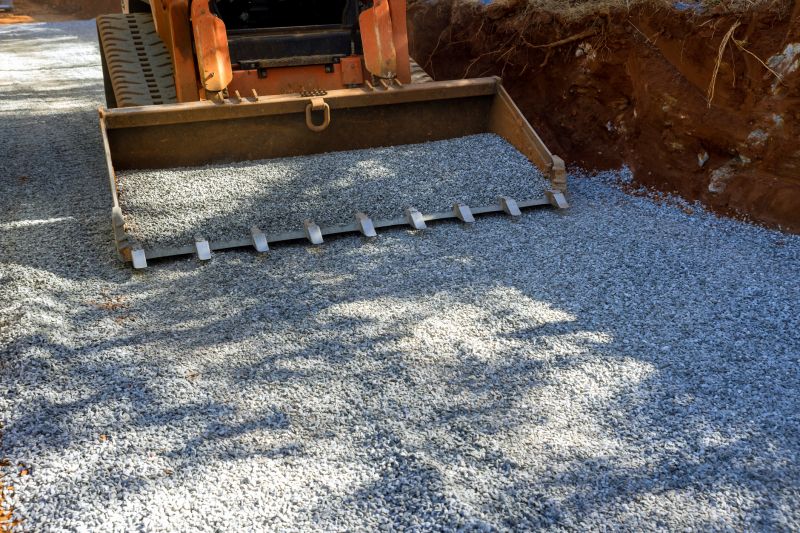
Proper Drainage Solutions
Gravel parking lot grading helps prevent water pooling and erosion on your property.
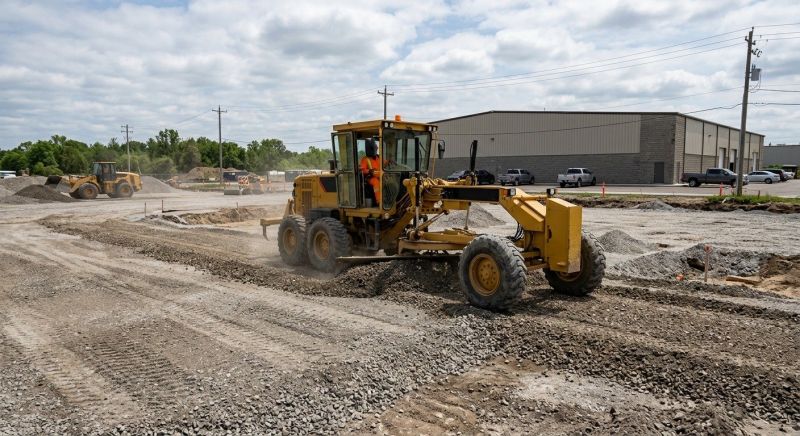
Enhanced Parking Stability
Correct grading creates a smooth, level surface that supports vehicle weight and reduces ruts.
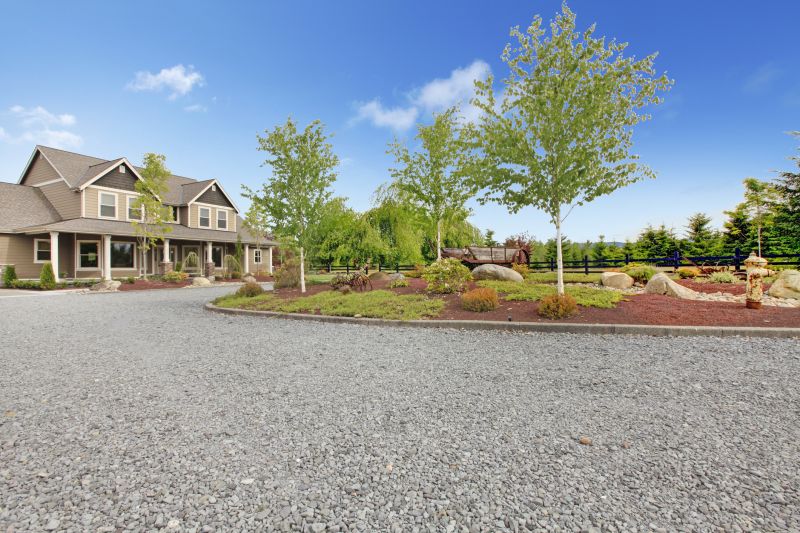
Property Value Improvement
Well-graded gravel lots contribute to a neat appearance and increased curb appeal in houston neighborhoods.
Gravel Parking Lot Grading in Houston, TX

Gravel parking lot grading services involve shaping and leveling the surface to ensure proper drainage and stability. This process typically includes removing uneven spots, filling in low areas, and creating a smooth, consistent slope that directs water away from the parking area. Homeowners often request this service when establishing a new gravel lot or improving an existing one to prevent pooling, erosion, and uneven wear that can damage vehicles or create safety hazards.
Before requesting gravel parking lot grading, property owners should consider the size and current condition of the lot, as well as any drainage issues or nearby structures that could influence grading plans. Understanding the desired outcome-such as specific slope requirements or drainage directions-helps ensure the project meets expectations. Proper grading can extend the lifespan of a gravel lot and improve its usability, making it a valuable step in maintaining a safe and functional parking area.
Many property owners in Houston, TX look into Gravel Parking Lot Grading for repairs, replacements, upgrades, and appearance-related improvements.
Common Gravel Parking Lot Grading Jobs
Gravel Parking Lot Grading - ensures proper drainage and a level surface for parking areas.
Driveway Grading - prepares gravel driveways for improved stability and longevity.
Construction Site Grading - creates a stable foundation for new gravel lots and pathways.
Erosion Control - reduces soil movement and prevents gravel washouts during heavy rain.
Existing Gravel Lot Renovation - regrades and levels to restore proper drainage and appearance.
Stormwater Management - optimizes grading to direct runoff away from structures and landscaping.
Gravel Parking Lot Grading Questions
What is gravel parking lot grading? Gravel parking lot grading involves leveling and shaping the surface to ensure proper drainage and stability for vehicles.
Why is grading important for gravel lots? Proper grading prevents water pooling, reduces erosion, and extends the lifespan of the parking area.
What projects typically require gravel parking lot grading? Projects include preparing new parking areas, restoring existing lots, or improving drainage around commercial and residential properties.
How does grading improve parking lot safety? It creates a smooth, even surface that minimizes the risk of uneven spots or potholes that could cause damage or accidents.
Request Gravel Parking Lot Grading in Houston, TX
Use the quote form on this page to share the basics of your project and request more information for the type of work you need.